
Daniel Douek Yadger
July 13, 2026
3
min read
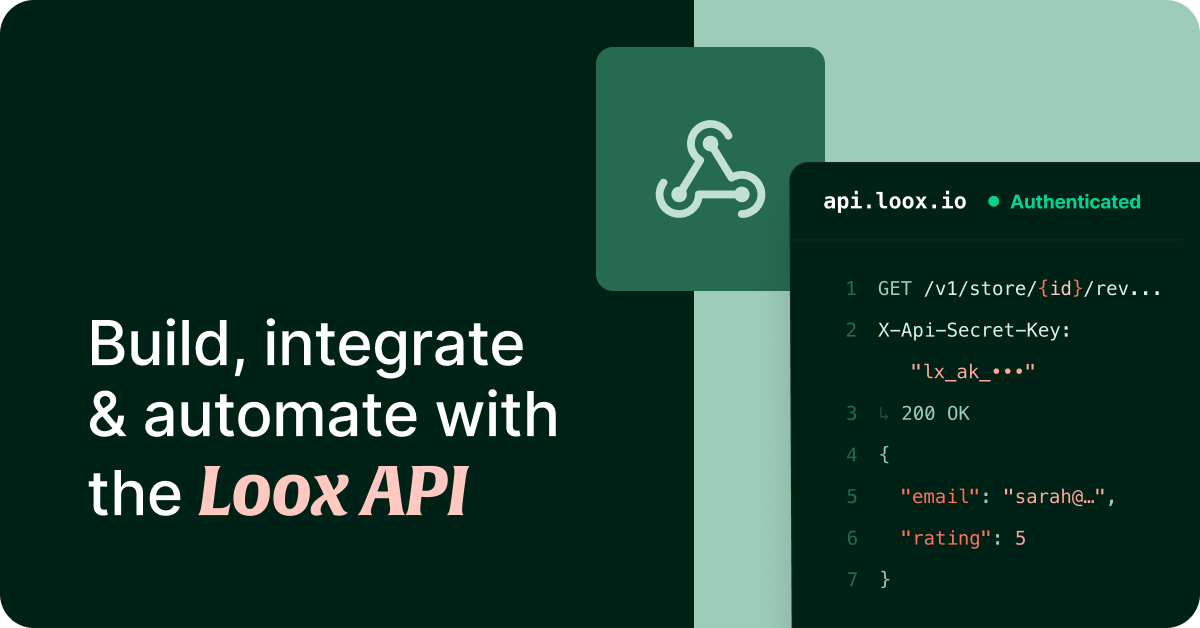
Since we released the Loox API and webhooks, brands have been building, integrating, and automating in a variety of interesting ways.
We dove into the data to show you the most common ways that you, too, can build your own shopping experiences, integrate with your tech stack, and trigger custom workflows based on real-time events.
For even more advanced usage, brands are integrating Loox into broader automation workflows using tools like Zapier, Make, and n8n - without writing a line of code.
One common example that you can try out right now is sending automated review alerts to Slack - Set up a Zapier or Make scenario that triggers whenever a new review comes in, posting it straight to a Slack channel so your team sees it in real time instead of checking the Loox admin.
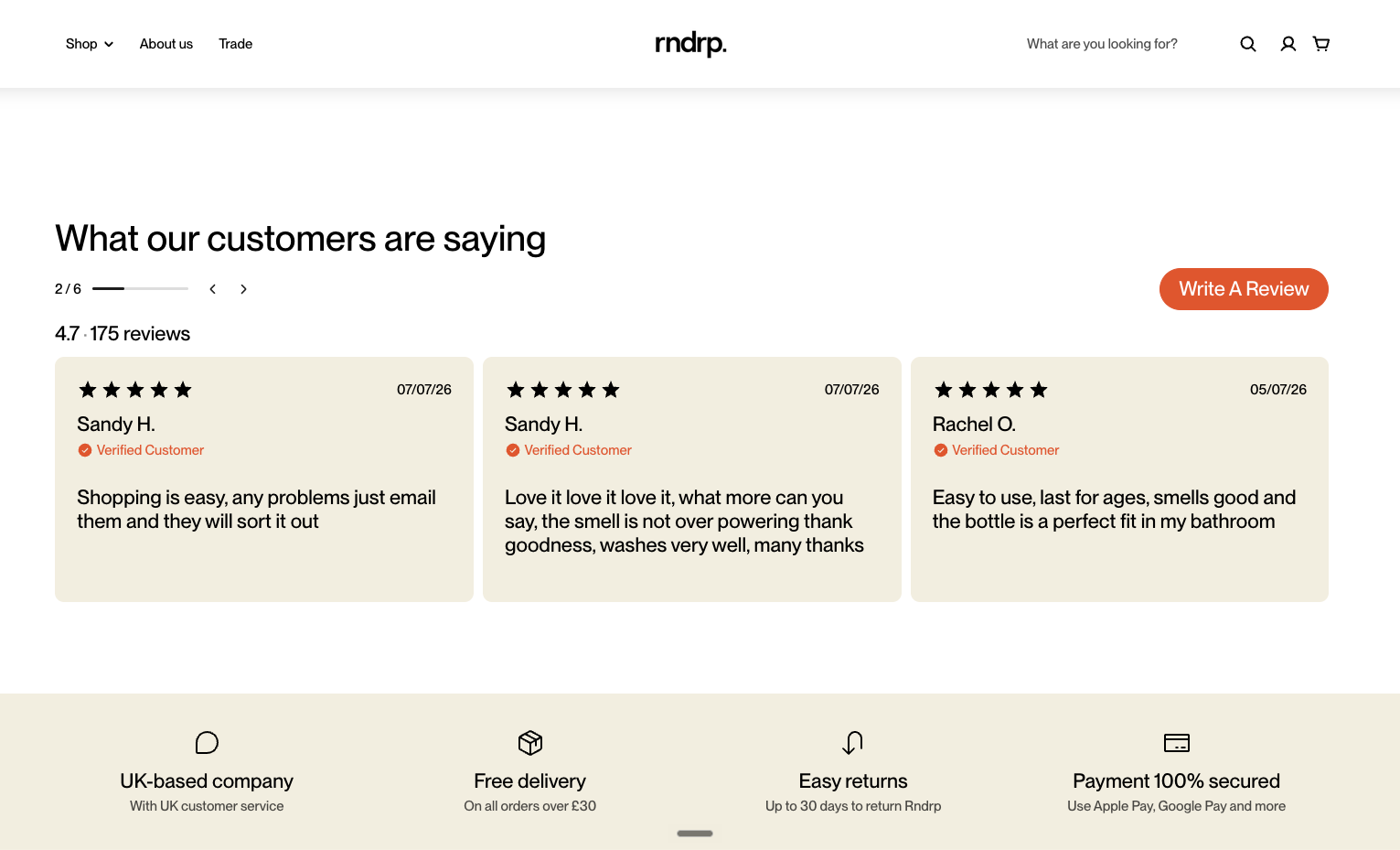
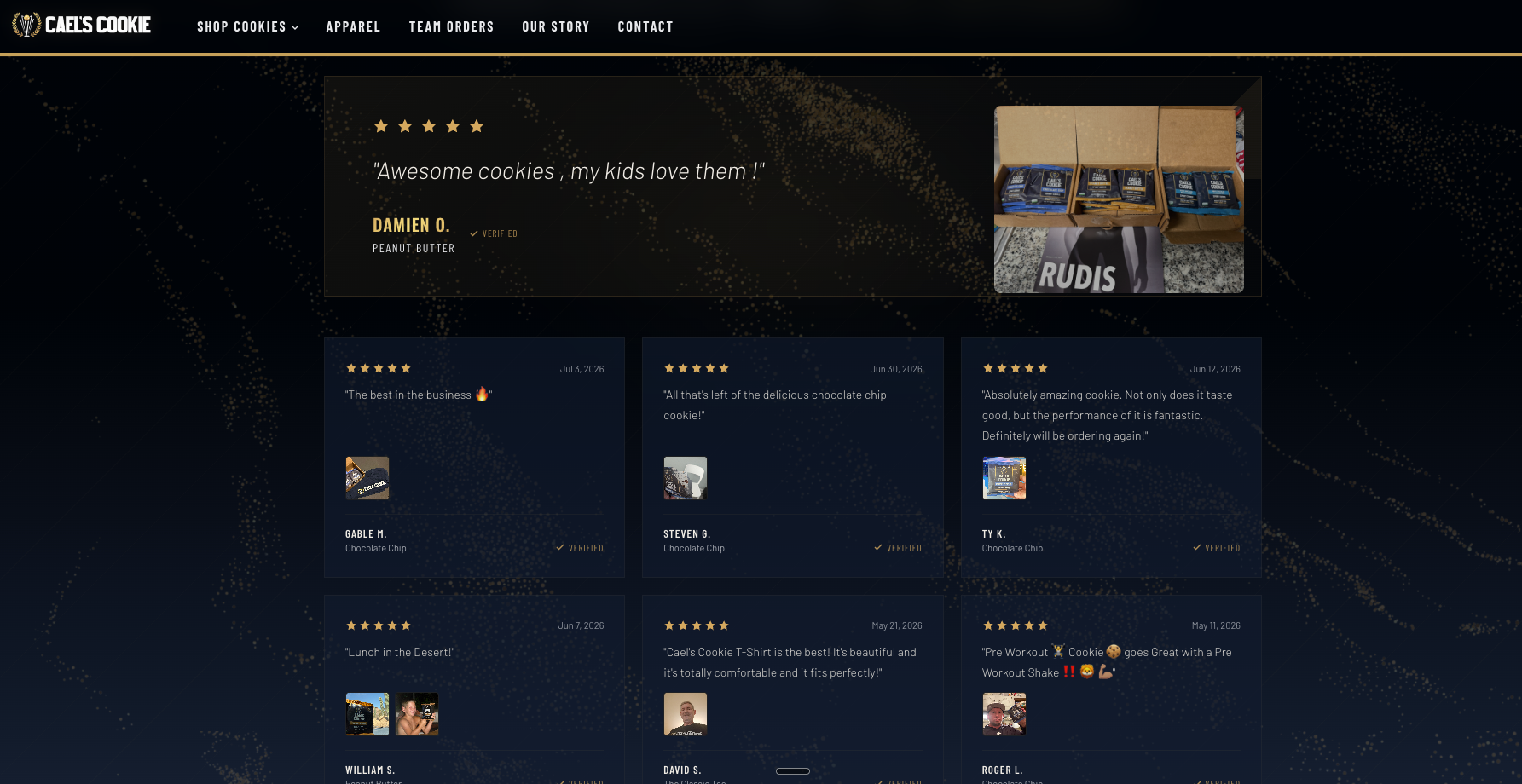
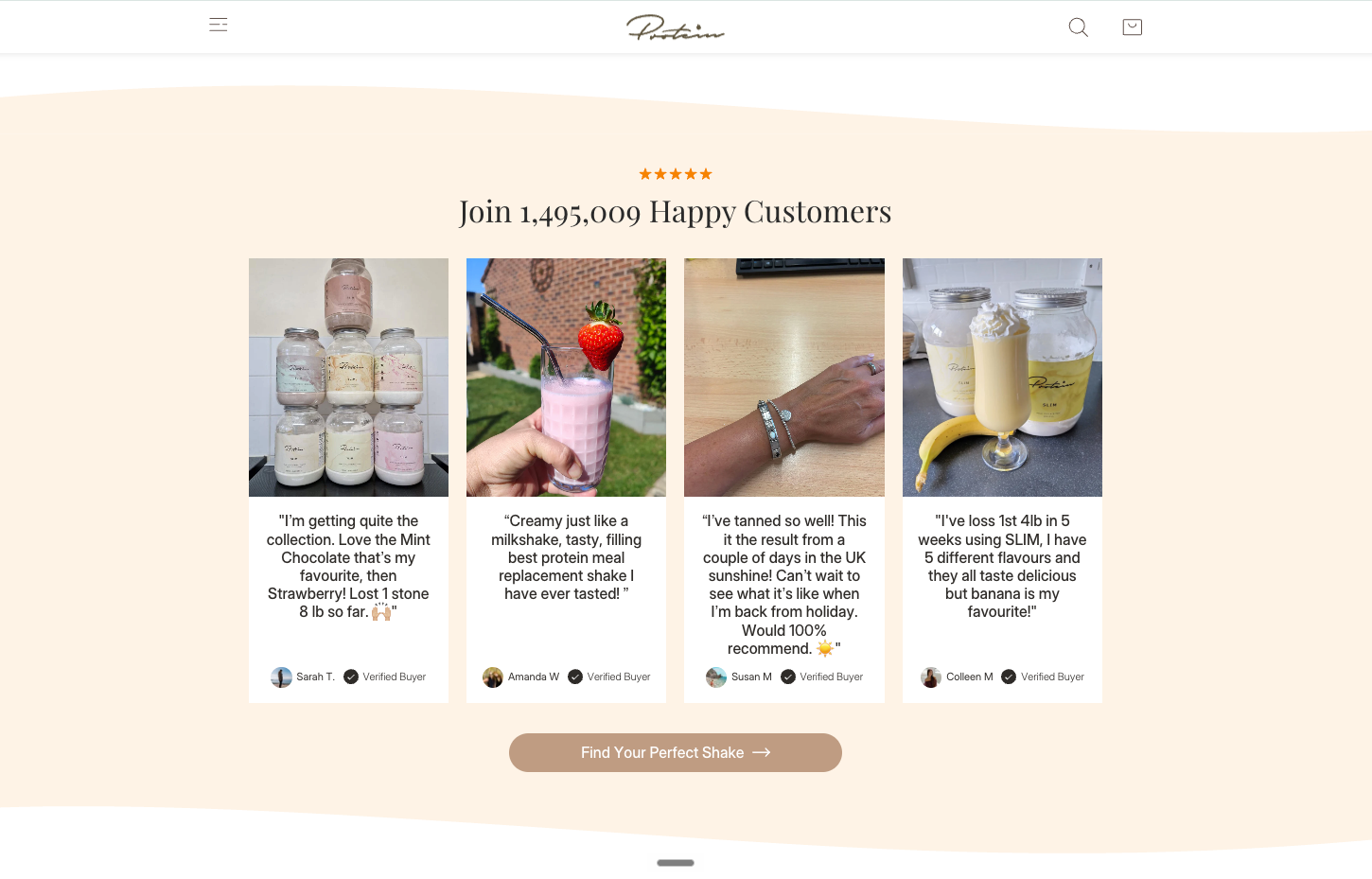
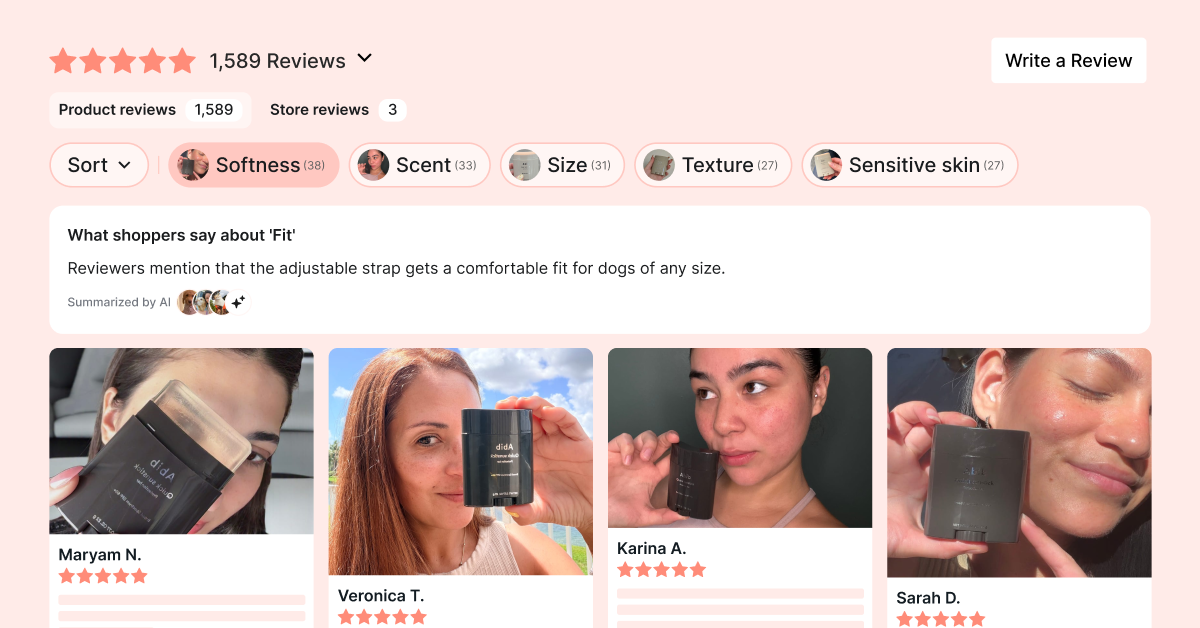
This is one of our favorites: Brands are using AI app builders like Lovable and Base44 to design a fully custom review widget for their store in no time.
Here are some examples in the wild:
Low ratings and negative reviews need to be caught and dealt with swiftly - it’s the basics of crisis management. Now you can do just that.
Trigger an n8n or Make automation whenever a review comes in below a certain star rating, automatically creating a support ticket or pinging the customer service team so bad experiences get handled fast.
Understanding the impact of your reviews is now super easy: Pull average rating, review volume, and photo/video review count per SKU via the API, then join it with your Shopify sales data in a tool like Google Sheets or Looker Studio.
As a result, you’ll see a single view showing which products are winning on both reviews and revenue - useful for deciding which products to feature, restock, or discontinue, for example.
Now you can easily keep the team in the know and updated on your monthly metrics.
Run a script that calls the API on a schedule, pulls new reviews from the past month, and drops a detailed summary into a Google Sheet or even a Slack message. You can report on star rating trends, standout quotes, flagged reviews, and more.
Exciting, isn’t it? The sky is truly the limit here, so pick up any of the suggestions above, or use your imagination - the Loox API, together with webhooks, opens up a world of possibilities, and there’s no reason to wait.
.png)
.png)